
Introduction
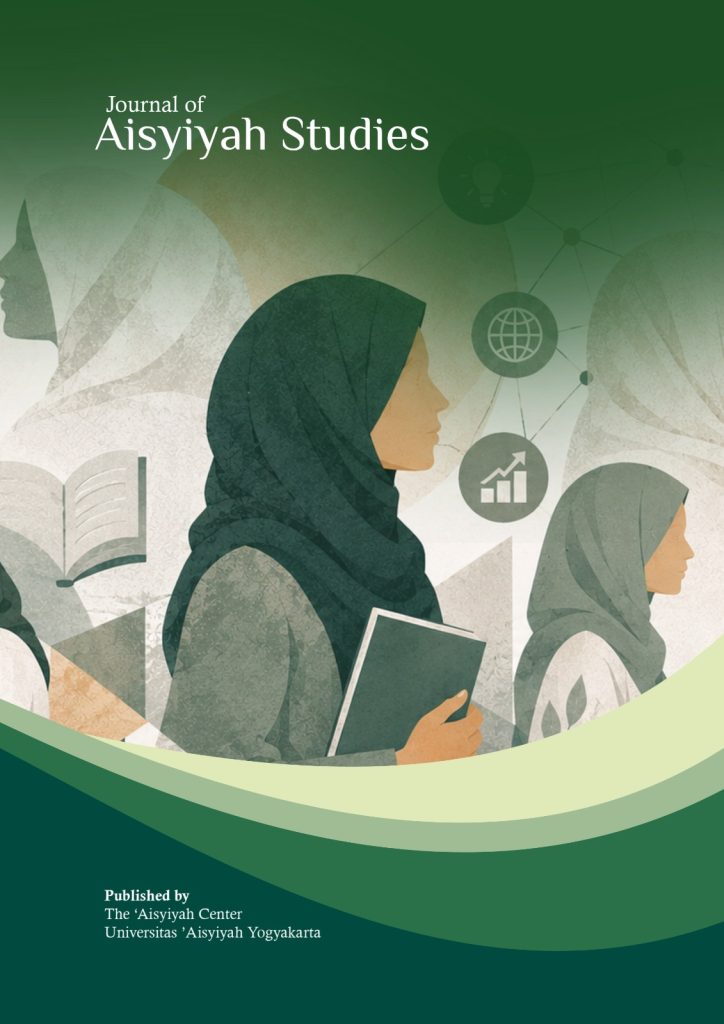
Journal of Aisyiyah Studies is an interdisciplinary academic journal that explores the dynamic relationship between women and social transformation across diverse contexts. The journal is committed to advancing scholarly work that goes beyond describing women’s experiences, and instead examines how women actively produce, shape, and sustain transformation in social, cultural, economic, technological, and digital spheres.
Positioned at the intersection of gender studies, social sciences, and value-based perspectives, the journal emphasizes that transformation is not solely driven by large-scale structures or policies, but also emerges from women’s lived practices, ethical commitments, and collective engagements. In this regard, women are understood not merely as participants in change, but as central actors whose everyday actions generate meaningful and lasting social impact.
Published by The Aisyiyah Center, Universitas ‘Aisyiyah Yogyakarta, the journal also draws from the intellectual and social legacy of the ‘Aisyiyah movement. It contributes to global academic conversations by offering perspectives rooted in Global South experiences, where knowledge, values, and transformation are deeply interconnected. Through this approach, Journal of Aisyiyah Studies aims to become a platform for rigorous, relevant, and transformative scholarship on women and social change.
About The Journal
Journal of Aisyiyah Studies is an interdisciplinary academic journal that explores women and social transformation across diverse social, cultural, economic, and technological contexts. The journal positions women not merely as participants in change, but as producers of value-driven transformation who actively shape and sustain social life through their lived practices, ethical commitments, and collective engagements.
Published by The Aisyiyah Center, Universitas ‘Aisyiyah Yogyakarta, the journal also advances women progressiveness (in bahasa Indonesia: Perempuan Berkemajuan) as a conceptual framework to understand how women generate knowledge, values, and transformative practices, particularly within Islamic and Global South perspectives.
Aim
Journal of Aisyiyah Studies aims to advance scholarship on women as producers of value-driven social transformation across diverse social, cultural, economic, technological, and digital contexts. The journal also develops Perempuan Berkemajuan as a distinctive theoretical and analytical framework to understand how women create, negotiate, and sustain transformation through lived practices, ethical commitments, and collective action. It seeks to generate and disseminate knowledge that contributes to global scholarly debates on gender, religion, and social change.
Scope
The journal welcomes interdisciplinary scholarship on women and social transformation across a wide range of domains, including leadership, health, education, economy, family life, culture, technology, and digital engagement. It prioritizes studies that examine how women actively produce, shape, and institutionalize transformation in diverse contexts.
Submissions may adopt qualitative, quantitative, mixed-method, or practice-based approaches, provided they offer analytical and conceptual insights into women’s roles in generating social change. Contributions that engage with value-driven practices, lived experiences, and collective or community-based dynamics are particularly encouraged, including but not limited to Islamic and Global South perspectives.
Theoretical Statement
Journal of Aisyiyah Studies is grounded in a perspective that redefines women not merely as participants in social change, but as producers of transformation. At the core of this perspective is the development of Perempuan Berkemajuan as an epistemic and analytical framework that explains how transformation emerges from women’s lived practices, ethical orientations, and collective engagements. This framework emphasizes three interrelated dimensions:
- Value-driven transformation, where ethical commitments—particularly within Islamic traditions and broader social values—shape the direction of change;
- Lived practices, where everyday life becomes the primary site through which transformation is enacted and sustained; and
- Collective engagements, where communities, networks, and movements function as spaces of both social transformation and knowledge production.
Through this lens, the journal contributes to global scholarship by bridging normative values and empirical realities, while foregrounding women’s lived experiences as sources of theory, knowledge, and social transformation.
Positioning
Journal of Aisyiyah Studies positions itself at the intersection of gender studies, social transformation, and value-based perspectives, with particular attention to Islamic and Global South contexts. Rather than examining women as objects or participants of change, the journal foregrounds women as central actors who produce transformation. Its distinctive contribution lies in integrating:
- women as knowledge-producing subjects
- transformation as a lived and value-driven process
- social and community engagements as sites of transformation and knowledge production
Through this positioning, the journal seeks to develop a theoretically grounded and globally relevant perspective that is both analytically rigorous and socially transformative.
Background (Optional)
Journal of Aisyiyah Studies emerges from the intellectual and social legacy of the ‘Aisyiyah movement, one of the oldest and most influential Muslim women’s organizations in Indonesia. With more than a century of engagement in education, health, and social welfare, ‘Aisyiyah provides a rich empirical foundation for understanding how women contribute to social transformation.
Building on this legacy, the journal transforms lived experiences and movement-based practices into scholarly knowledge, situating them within broader global academic conversations on women, values, and social change.
Indexing & Affiliation
Published by The Aisyiyah Center, Universitas ‘Aisyiyah Yogyakarta, the journal is committed to maintaining high academic standards and expanding its global reach through reputable indexing platforms. It aspires to become a leading reference in the study of women and social transformation, particularly from value-driven and Global South perspectives.
Editorial Team
The Editorial Team of Journal of Aisyiyah Studies brings together a diverse group of scholars and practitioners with expertise across gender studies, Islamic studies, social sciences, health, education, and digital society. This diversity reflects the journal’s interdisciplinary scope and its commitment to examining women and social transformation from multiple perspectives.
With backgrounds spanning academic research and community-based practice, the team combines strong theoretical competence with grounded social engagement. This ensures that the journal maintains high scholarly standards while remaining attentive to lived realities, value-driven approaches, and the evolving dynamics of women’s roles in shaping transformative social change.
Editor-in-Chief:

Askuri
He is an anthropologist and scholar of Islamic studies whose work focuses on lived religion, social transformation, and onomastics (the study of names and naming practices). He is actively engaged in developing Aisyiyah Studies, including contributing as a pensyarah (commentator) of Risalah Perempuan Berkemajuan. He currently serves as the Head of The Aisyiyah Center at Universitas ‘Aisyiyah Yogyakarta, where he leads research and academic initiatives on women, Islam, and transformative social practices.
Managing Editor:

Tomi Agus Triono
Tomi Agus Triono is a scholar in management studies with academic interests in institutional development, knowledge management, and contemporary social transformation. His expertise contributes to the journal’s attention to organizational dynamics, academic governance, and the ways institutions respond to social change. As Managing Editor, Tomi supports editorial coordination, manuscript administration, communication with contributors, and publication workflow, ensuring that the Journal of Aisyiyah Studies operates professionally, efficiently, and consistently in accordance with scholarly publication standards.

Edi Fajar Alidarma Wijaya
Edi Fajar Alidarma Wijaya is a scholar whose work engages with management, organizational development, and social transformation. His academic background supports the journal’s broader concern with institutional change, knowledge production, and the role of academic platforms in shaping public and scholarly discourse. As Managing Editor, Edi contributes to editorial administration, manuscript tracking, and publication quality, helping the journal maintain an organized and responsive workflow while advancing interdisciplinary scholarship on women, Islam, and transformative social practices.
Associate Editors:
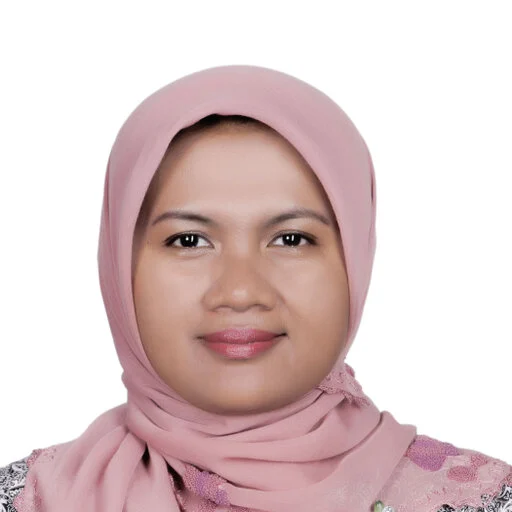
Elis Zuliati Anis
Elis Zuliati Anis is a scholar whose work engages with gender, Islam, women’s rights, and social justice. Her academic contribution strengthens the journal’s engagement with questions of equality, religious interpretation, women’s agency, and the social conditions that shape Muslim women’s lives. As Associate Editor, Elis brings an interdisciplinary perspective that connects academic research, advocacy, and lived social realities, supporting the Journal of Aisyiyah Studies in developing scholarship that is theoretically informed, socially relevant, and attentive to the ethical dimensions of gender justice.
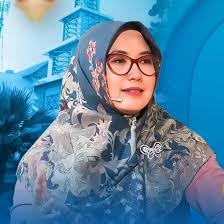
Adib Sofia
Adib Sofia is a scholar with interests in gender studies, Islamic thought, literature, and cultural analysis. Her work contributes to broader conversations on women’s experiences, textual interpretation, cultural production, and the role of knowledge in shaping social imagination. As Associate Editor, Adib strengthens the journal’s attention to the humanities and cultural dimensions of Aisyiyah Studies, ensuring that the journal remains open to literary, historical, cultural, and interpretive approaches to women, Islam, and social transformation.

Fitri Maulidah Rahmawati
Fitri Maulidah Rahmawati brings expertise in health-related scholarship, women’s wellbeing, and interdisciplinary approaches to community life. Her academic contribution is relevant to the journal’s concern with health, family, care, and the everyday realities that shape women’s social participation. As Associate Editor, Fitri supports the journal’s engagement with women’s health, community resilience, and the relationship between scientific knowledge and social responsibility, helping broaden Aisyiyah Studies by connecting health sciences with gender, ethics, and transformative social practice.
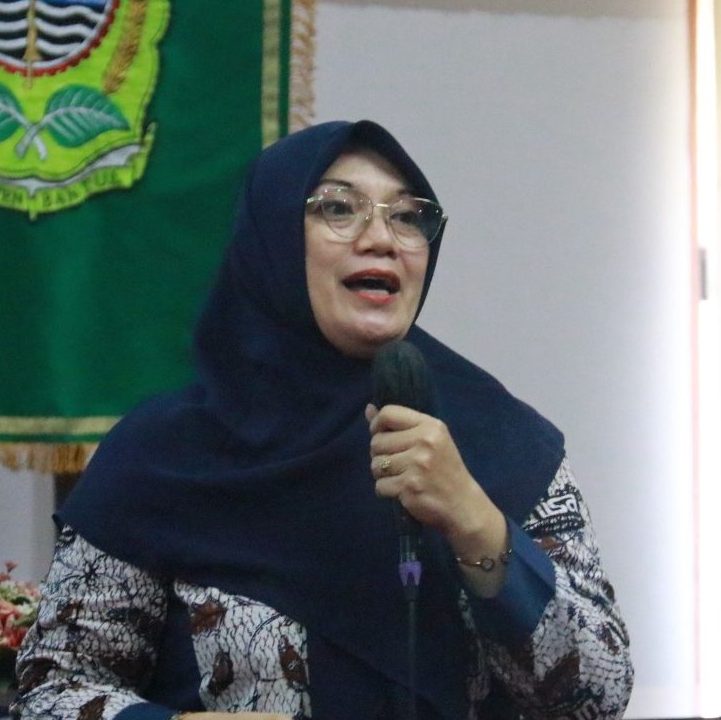
Dewi Amanatun Suryani
Dewi Amanatun Suryani is a scholar whose work contributes to social sciences, public life, and community-based transformation. Her academic perspective supports critical discussions on citizenship, policy, social participation, and the role of women in shaping inclusive public spheres. As Associate Editor, Dewi contributes to the journal’s engagement with social change and institutional life, strengthening its ability to address contemporary issues affecting women and communities, particularly in relation to governance, empowerment, and socially grounded transformation.

Muhammad Ali Imron
Muhammad Ali Imron is a scholar whose academic interests engage with Islamic studies, education, and social transformation. His contribution is relevant to discussions on religious knowledge, educational development, and the role of Islamic institutions in shaping ethical and progressive societies. As Associate Editor, Muhammad Ali Imron supports the journal’s interdisciplinary dialogue on Islam, knowledge production, and social change, helping connect the study of Aisyiyah with broader conversations on Islamic education, Muslim civil society, and the transformation of religious thought in contemporary contexts.
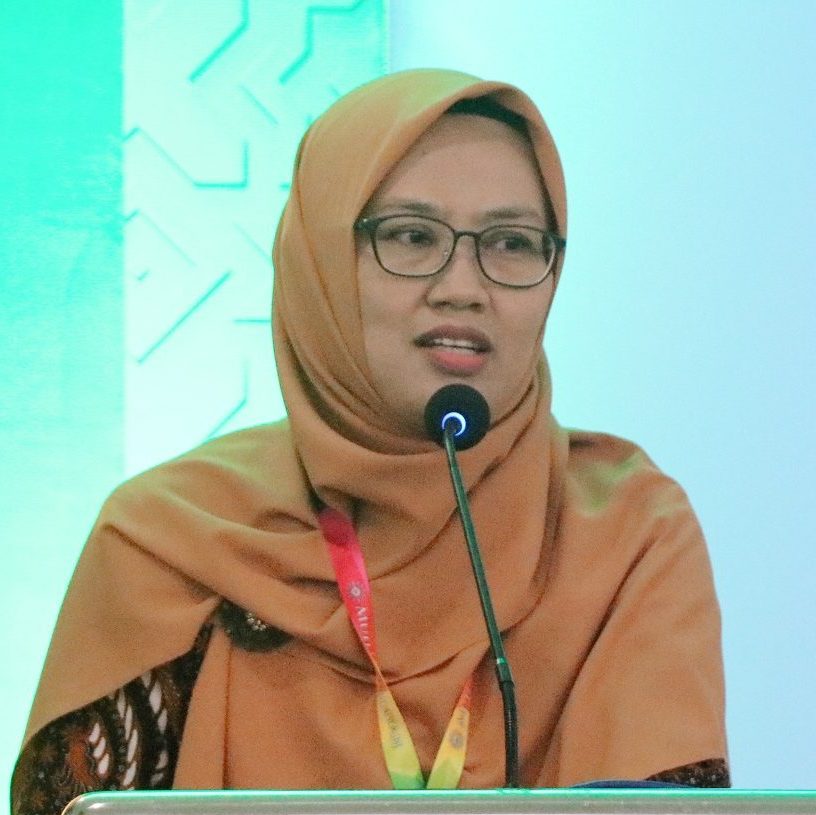
Warsiti
Warsiti is a scholar and academic leader with strong engagement in women’s health, education, and institutional development. Her experience contributes to the journal’s attention to professional education, community service, and the social mission of Islamic higher education. As Associate Editor, Warsiti brings a grounded perspective on women’s wellbeing, care, and institutional transformation, supporting the journal’s commitment to scholarship that is academically rigorous while remaining responsive to the practical needs of women, families, and communities.
Andari Wuri Astuti
Andari Wuri Astuti is a scholar whose work is closely connected to women’s health, maternal wellbeing, and community-based care. Her academic perspective contributes to the journal’s concern with reproductive justice, family health, and the social dimensions of care. As Associate Editor, Andari strengthens the journal’s attention to health-related issues within Aisyiyah Studies, helping integrate health sciences, gender perspectives, and community engagement while keeping the journal attentive to the embodied and everyday experiences of women.

Wantonoro
Wantonoro is a scholar in health sciences whose work contributes to discussions on care, wellbeing, and health-related social transformation. His academic background supports the journal’s engagement with health, ethics, and the social responsibilities of professional knowledge. As Associate Editor, Wantonoro contributes to the interdisciplinary character of the Journal of Aisyiyah Studies by connecting health sciences with broader questions of community resilience, social justice, and human wellbeing, expanding the journal’s scope into practical fields of care and public health.
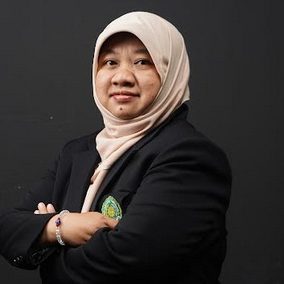
Islamiyatur Rahmah
Islamiyatur Rahmah is a scholar whose work engages with Islamic studies, gender, education, and social values. Her academic contribution is relevant to the development of Aisyiyah Studies as a field that examines religious knowledge, women’s agency, and the moral foundations of social transformation. As Associate Editor, Islamiyatur Rahmah supports the journal’s mission to publish scholarship that bridges Islamic thought, educational practice, and social engagement, strengthening the journal’s attention to value-based knowledge and the transformative role of women in Muslim communities.
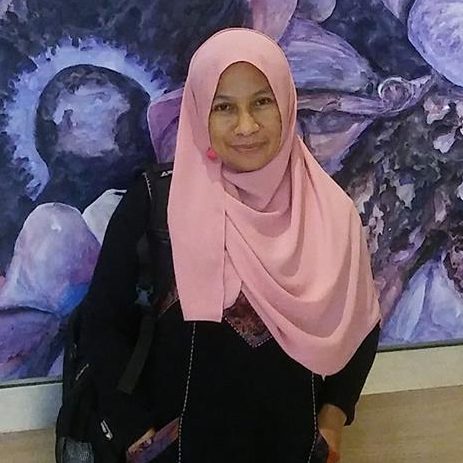
Witriani
Witriani is a scholar whose academic interests include gender studies, Islamic thought, and social transformation. Her work contributes to critical discussions on women’s voices, religious authority, and the changing dynamics of Muslim societies. As Associate Editor, Witriani supports the journal’s engagement with interdisciplinary scholarship on Islam, gender, and public life, ensuring that the Journal of Aisyiyah Studies remains attentive to both intellectual traditions and contemporary social issues affecting women and communities.

Sawyer French
Sawyer French contributes an international scholarly perspective to the Journal of Aisyiyah Studies, particularly in expanding the journal’s engagement with global academic conversations on Islam, gender, civil society, and social transformation. As Associate Editor, Sawyer supports the journal’s commitment to comparative and cross-cultural perspectives, helping position Aisyiyah Studies not only as a field rooted in Indonesian Muslim experience but also as a scholarly conversation that speaks to broader global debates on religion, women, and progressive social change.

Verena Meyers
Verena Meyers brings a global and interdisciplinary perspective to the editorial team, supporting the journal’s effort to build stronger connections between local scholarship, international academic networks, and comparative studies of women, religion, and society. As Associate Editor, Verena strengthens the journal’s engagement with cross-cultural scholarship and international collaboration, helping broaden the journal’s readership and intellectual reach in relation to global discussions on gender, Islam, social justice, and transformative civil society movements.
Fatimah Yang Guipping

Fatimah Yang Guipping is a scholar whose work contributes to cross-cultural and international conversations on Islam, women, and social transformation. Her academic perspective is valuable for understanding the diverse experiences of Muslim women across different social, cultural, and national contexts. As Associate Editor, Fatimah supports the journal’s effort to build broader scholarly networks across Muslim societies and global academic communities, strengthening the international dimension of the Journal of Aisyiyah Studies and promoting dialogue across regions, disciplines, and traditions of knowledge.
Reviewers:

Alimatul Qibtiyah
Alimatul Qibtiyah is a leading scholar in gender studies, Islamic thought, and women’s rights. Her work has contributed significantly to discussions on gender justice, progressive Islamic interpretation, and the role of Muslim women in religious and social transformation. As a reviewer, Alimatul brings deep expertise in evaluating manuscripts related to Islam, gender, sexuality, equality, and social justice, helping ensure that articles published in the Journal of Aisyiyah Studies meet strong scholarly standards while remaining attentive to the ethical and transformative dimensions of women’s experiences.
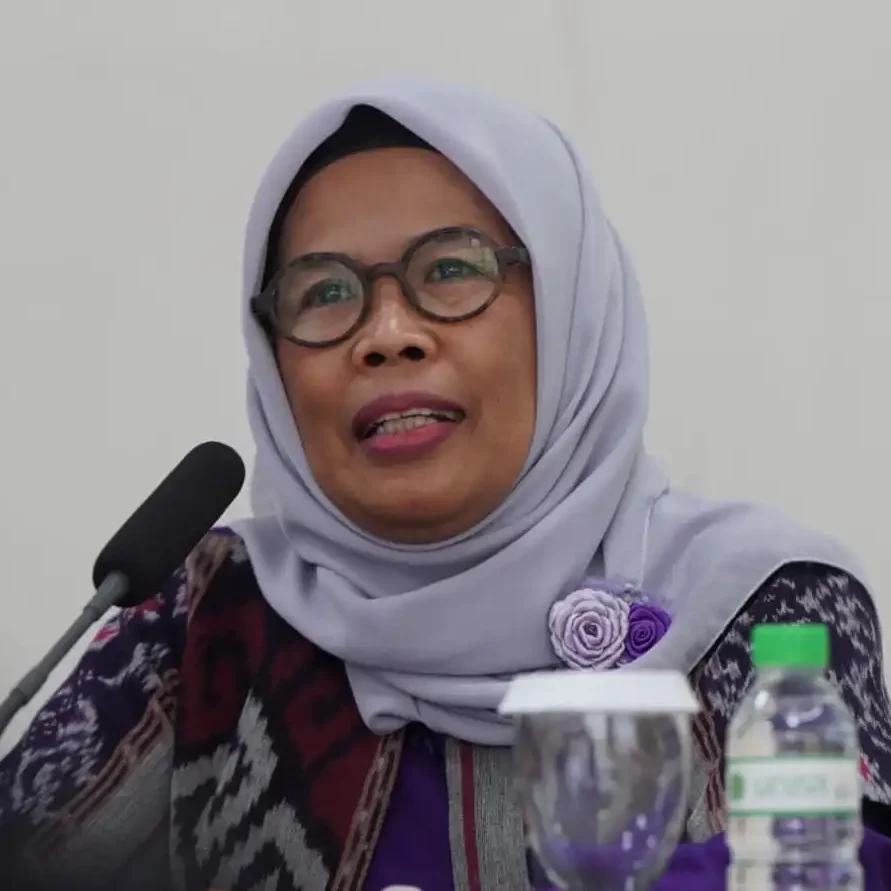
Siti Syamsiatun
Siti Syamsiatun is a scholar of Islamic studies, gender, interreligious engagement, and civil society. Her academic work contributes to discussions on pluralism, religious communities, women’s agency, and the social role of Islam in contemporary Indonesia. As a reviewer, Siti supports the journal’s commitment to interdisciplinary and socially engaged scholarship, strengthening manuscripts that address Islam, gender, social movements, interreligious relations, and the role of women in building inclusive and transformative communities.
Mutiah Amini
Mutiah Amini is a historian whose work contributes to the study of gender, family, society, and Indonesian history. Her scholarship offers important historical perspectives on women’s experiences, social change, and the formation of modern Indonesian communities. As a reviewer, Mutiah brings historical depth to the Journal of Aisyiyah Studies, especially for manuscripts that examine women, family, education, social movements, and the changing place of Muslim communities within Indonesian history.
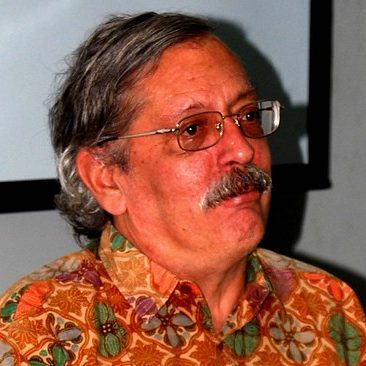
Mark Woodward
Mark Woodward is an anthropologist of Islam and Indonesian society whose work has contributed significantly to the study of Javanese Islam, ritual, religious authority, and Muslim social life. His scholarship has shaped important conversations in anthropology, Islamic studies, and Southeast Asian studies. As a reviewer, Mark contributes strong expertise in ethnographic analysis, religious practice, and the study of Islam as lived experience, strengthening the journal’s engagement with anthropology, local religious traditions, and the everyday dynamics of Muslim societies.

Joel C. Kuipers
Joel C. Kuipers is a scholar of linguistic anthropology, religion, and Indonesian society. His work contributes to the study of language, ritual, authority, and the ways religious and social meanings are produced through communication and everyday practice. As a reviewer, Joel strengthens the journal’s attention to language, culture, and symbolic life, especially for manuscripts that examine discourse, religious authority, social interaction, and the cultural forms through which Muslim communities articulate meaning and identity.

Pieternella van Doorn Harder
Pieternella van Doorn-Harder is a scholar of Islam, gender, and religious movements, with particular attention to Muslim women and reformist Islamic traditions. Her work has contributed to global discussions on women’s religious authority, Islamic activism, and the social role of Muslim women. As a reviewer, Pieternella brings deep expertise in gender, religious reform, and comparative studies of Muslim societies, supporting the journal’s mission to publish scholarship that connects Indonesian experiences with broader international conversations on Islam, women, and social change.

Kim Hyung-Jun
Kim Hyung-Jun is an anthropologist whose scholarship contributes to the study of Islam, culture, and social change in Indonesia. His work is relevant to understanding Muslim communities, religious movements, everyday practices, and the relationship between tradition and modernity. As a reviewer, Kim provides valuable insight into the social and cultural dimensions of Indonesian Islam, strengthening the journal’s ability to assess ethnographic and anthropological manuscripts dealing with religion, community life, and social transformation.

Mitsuo Nakamura
Mitsuo Nakamura is a senior scholar whose work has made important contributions to the study of Muhammadiyah, Islamic reform, and Indonesian Muslim society. His scholarship has long been important for understanding reformist Islam and the development of Muslim civil society in Indonesia. As a reviewer, Mitsuo brings historical, sociological, and anthropological depth to the journal, especially for manuscripts on Muhammadiyah, Aisyiyah, Islamic reform movements, and the social transformation of Muslim communities.
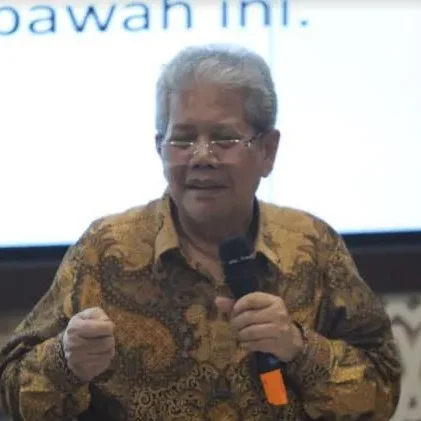
Jaenuri
Jaenuri is a scholar whose work engages with Islamic studies, Muhammadiyah, and the development of Muslim civil society. His academic contribution is relevant to discussions on religious education, Islamic movements, and the intellectual traditions shaping Indonesian Islam. As a reviewer, Jaenuri supports the journal’s engagement with Islamic reform, organizational history, and the social role of religious institutions, helping ensure that manuscripts related to Muhammadiyah, Aisyiyah, and Islamic education are assessed with strong contextual understanding.
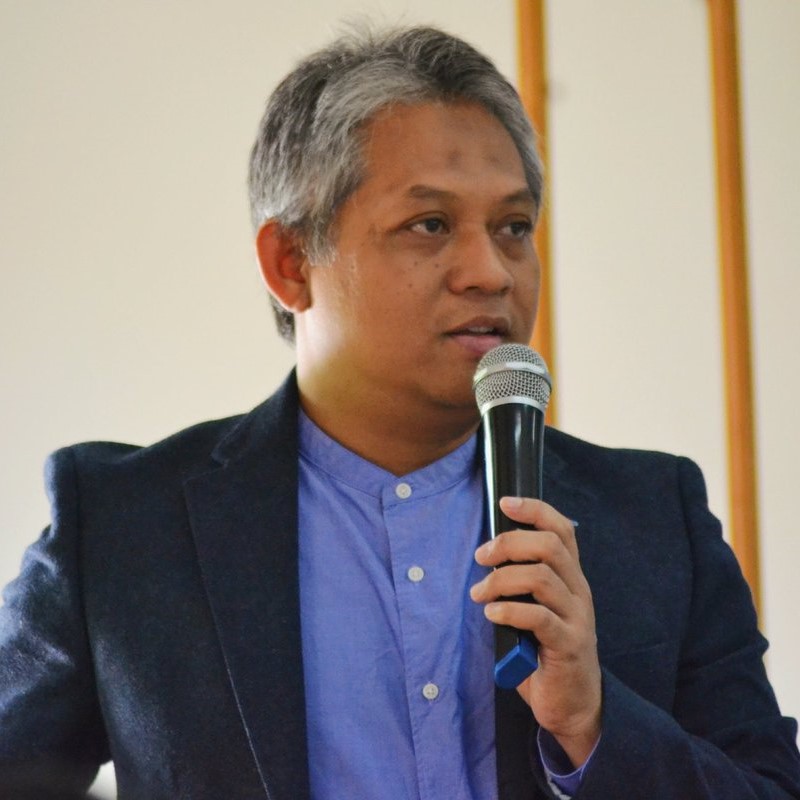
Ahmad Muttaqin
Ahmad Muttaqin is a scholar of Islamic studies and sociology of religion whose work engages with contemporary Muslim society, digital religion, and social transformation. His academic perspective is important for understanding new forms of religious authority, media, and Muslim public life. As a reviewer, Ahmad contributes to the journal’s attention to contemporary religious change, digital society, and the evolving dynamics of Islamic knowledge, particularly for manuscripts dealing with digital Islam, religious authority, youth, media, and social transformation.
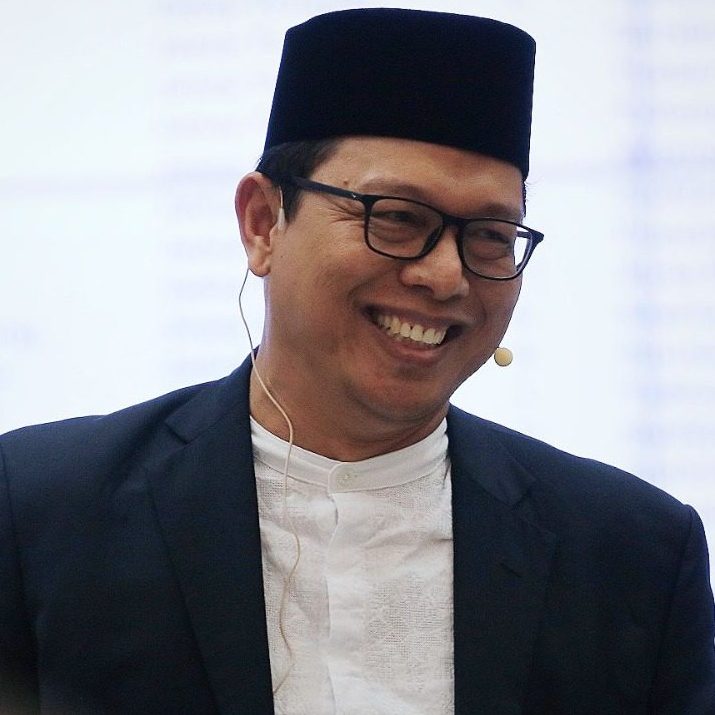
Muhammad Sayuti
Muhammad Sayuti is a scholar whose work contributes to education, Islamic studies, and institutional transformation. His academic perspective is relevant to discussions on knowledge production, educational reform, and the role of Islamic institutions in shaping social change. As a reviewer, Muhammad Sayuti strengthens the journal’s engagement with educational issues, institutional development, and the social mission of Islamic higher education, helping ensure that manuscripts in these areas are evaluated with attention to both academic quality and practical relevance.
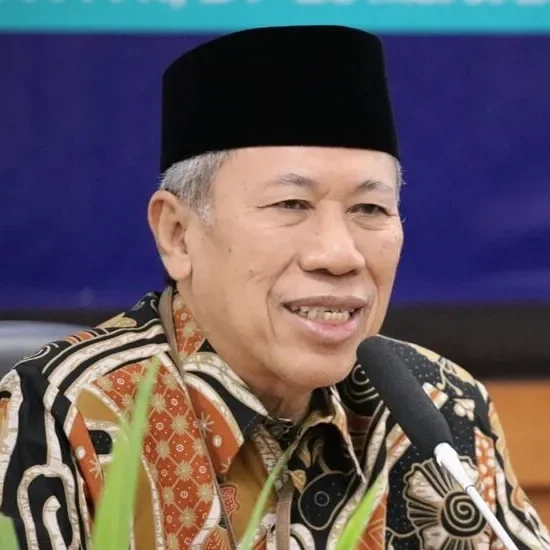
Ahmad Syafiq Mughni
Ahmad Syafiq Mughni is a senior scholar of Islamic thought, history, and Muslim reform movements. His work has contributed significantly to the study of Islamic intellectual traditions, Muhammadiyah studies, and the development of progressive Muslim scholarship. As a reviewer, Ahmad Syafiq brings deep historical and intellectual expertise to the Journal of Aisyiyah Studies, especially for manuscripts addressing Islamic reform, Muhammadiyah, Aisyiyah, religious thought, and the historical development of Muslim civil society.

Claire Marie Hefner
Claire Marie Hefner is a scholar whose work engages with Islam, gender, education, and youth in contemporary Indonesia. Her research contributes to understanding Muslim women’s education, moral formation, social mobility, and the changing aspirations of young Muslims. As a reviewer, Claire brings valuable expertise in anthropology, education, gender, and Indonesian Islam, supporting the journal’s engagement with contemporary Muslim youth, women’s education, and the evolving relationship between religion, class, gender, and social transformation.
Copy Editors:

Rinta Arina Manasikana
Rinta Arina Manasikana supports the journal’s editorial quality through careful attention to language, clarity, consistency, and academic presentation. Her role is essential in helping manuscripts become more readable, coherent, and suitable for scholarly publication. As Copy Editor, Rinta works to ensure that accepted articles meet the journal’s standards in grammar, style, structure, and formatting consistency, strengthening the professionalism of the Journal of Aisyiyah Studies and supporting authors in presenting their arguments clearly and effectively.
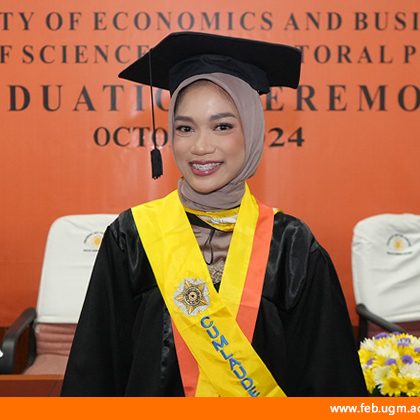
Syafika Dhea Taqiya Ramadhani
Syafika Dhea Taqiya Ramadhani contributes to the journal’s copyediting process by supporting language refinement, formatting consistency, and editorial accuracy. Her work helps ensure that manuscripts are prepared in a polished and publication-ready form. As Copy Editor, Syafika plays an important role in improving the clarity and coherence of accepted articles, supporting the journal’s commitment to high-quality academic communication and ensuring that each published article is accessible, precise, and professionally presented.
Layout Editors:
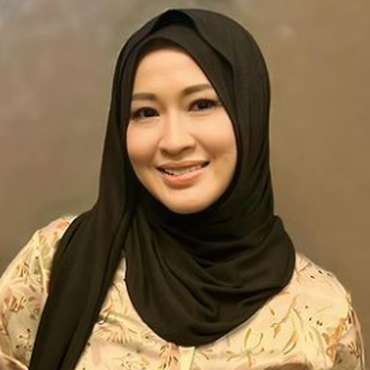
Olla Agustina Leriani
Olla Agustina Leriani supports the visual and technical preparation of journal articles for publication. Her role is important in ensuring that accepted manuscripts are transformed into well-structured, readable, and professionally formatted articles. As Layout Editor, Olla contributes to the consistency of page design, article formatting, and the overall visual presentation of the journal, helping maintain the professional identity of the Journal of Aisyiyah Studies and ensuring that published articles are accessible to readers.
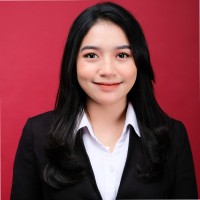
Astri Wulandari
Astri Wulandari contributes to the journal’s layout and production process by ensuring that accepted manuscripts are presented in a clear, consistent, and publication-ready format. Her work supports the technical quality and visual coherence of each article. As Layout Editor, Astri helps maintain the journal’s formatting standards, article structure, and visual consistency across issues, strengthening the journal’s professional appearance and improving the reading experience for authors, reviewers, and readers.

Dias Regian Pinkan
Dias Regian Pinkan supports the final production stage of the journal through layout design, formatting, and technical preparation. Her role helps ensure that each article is carefully prepared before publication and presented in accordance with the journal’s style. As Layout Editor, Dias contributes to the visual coherence, accessibility, and technical quality of the Journal of Aisyiyah Studies, transforming accepted manuscripts into polished published articles that reflect the journal’s academic and professional standards.
Author Guideline
Journal of Aisyiyah Studies welcomes scholarly contributions that examine women and social transformation across diverse contexts. The journal prioritizes manuscripts that go beyond descriptive accounts and offer analytical, conceptual, and theoretically grounded insights, particularly those that position women as active producers of social change.
Scope and Conceptual Orientation
Submissions to the journal are expected to engage with women’s roles in shaping and producing social transformation across domains such as social life, culture, economy, health, education, and digital environments. Authors are encouraged to frame their analysis in ways that highlight how transformation is created, negotiated, and sustained through women’s lived practices, ethical commitments, and collective engagements.
While the journal advances Perempuan Berkemajuan as a conceptual framework, authors are not required to explicitly use the term. However, manuscripts should demonstrate alignment with its underlying perspective—namely, that women are not merely subjects of change but producers of transformation and knowledge.
Types of Manuscripts
The journal accepts several types of contributions, including empirical research articles (qualitative, quantitative, or mixed methods), conceptual or theoretical papers, policy-oriented analyses, and critical reviews. Regardless of type, all submissions must demonstrate clear analytical depth and contribution to scholarly discourse, rather than functioning as descriptive reports.
Structure of Manuscript
Manuscripts should be written in a clear and coherent academic style and organized into standard sections. The title should be concise yet conceptually meaningful, reflecting the core argument of the article. The abstract (150–200 words) must summarize the research problem, approach, key findings, and contribution. Authors should also include 4–6 keywords.
Title
The title should be concise, conceptually precise, and analytically meaningful. It is expected to reflect the central argument or scholarly contribution of the article rather than merely describing the topic. A strong title signals the theoretical orientation of the study and indicates how the article engages with women and social transformation. Clarity and readability are essential, and authors are encouraged to avoid overly technical or generic phrasing.
Abstract (150–200 words)
The abstract provides a clear and concise overview of the entire study. It should present the research problem, methodological approach, main findings, and the article’s contribution in a structured manner. Beyond summarizing the content, the abstract should indicate how the study advances understanding of women’s roles in producing social transformation. It should function as a standalone text that allows readers to grasp the significance of the work without referring to the full article.
Keywords (4–6 terms)
Keywords are intended to enhance the discoverability and thematic clarity of the article. Authors should select terms that represent both the substantive focus and the conceptual orientation of the study. These may include key themes, contexts, and analytical constructs that situate the article within broader academic discussions on women and social transformation.
Introduction
The introduction establishes the intellectual foundation of the manuscript. It should clearly articulate the research problem, explain its significance, and situate the study within relevant scholarly conversations. Rather than providing general background information, the introduction should offer a focused argument about why the issue matters and how the study contributes to existing knowledge. It should also clearly state the research questions or objectives that guide the analysis.
Theoretical / Conceptual Framework
This section forms the analytical backbone of the article. Authors are expected to engage critically with relevant theories and prior research, and to clearly articulate the conceptual lens guiding the study. The framework should not merely summarize existing literature, but should build a coherent analytical perspective that informs the interpretation of the findings. Where appropriate, authors are encouraged to position their work in relation to broader perspectives on women as producers of transformation.
Methodology
The methodology section should provide a transparent and systematic account of how the research was conducted. It should describe the research design, data sources, sampling strategies, and analytical methods in sufficient detail. Authors should also justify their methodological choices, explaining why the selected approach is appropriate for addressing the research questions. This section is essential for establishing the credibility and rigor of the study.
Findings
The findings section presents the main results of the research in a clear and organized manner. While it should accurately report empirical data, it is expected to go beyond simple description by identifying patterns, themes, and relationships. Authors should demonstrate how women act within specific contexts and how these actions relate to processes of social transformation. The presentation of findings should already reflect analytical insight.
Discussion
The discussion is the most critical section in terms of intellectual contribution. It should interpret the findings in relation to the theoretical framework and broader academic debates. Authors are expected to explain the significance of their results and to articulate how their study advances understanding of social transformation. This section should clearly demonstrate how women’s practices, values, and engagements produce change, moving from empirical observation to conceptual insight.
Conclusion
The conclusion synthesizes the main arguments and contributions of the article. It should not simply repeat earlier sections, but instead provide a reflective closure that highlights the study’s theoretical implications and, where relevant, its practical or policy significance. Authors may also suggest directions for future research, indicating how their work contributes to ongoing scholarly conversations.
References (Bibliography)
All sources cited in the manuscript must be listed in the reference section using APA style (latest edition). References should be relevant, credible, and up-to-date. Authors are encouraged to engage with recent scholarship while also incorporating foundational works where necessary. Consistency and accuracy in citation are essential for maintaining academic integrity.
Tables, Figures, and Supplementary Materials (Optional)
Tables, figures, and supplementary materials may be included where they support the analysis. These should be clearly labeled, properly referenced in the text, and directly relevant to the argument. They should enhance the clarity of the presentation without replacing the analytical narrative of the manuscript.
Author Information and Acknowledgements (Separate File Requirement)
To ensure the integrity of the double-blind peer review process, all author-related information must be submitted in a separate title page file, not included in the main manuscript.
The Title Page must include:
- Full name(s) of author(s)
- Institutional affiliation(s)
- Corresponding author email
- ORCID (if available)
- Short biographical note (optional)
The Acknowledgements section (including funding sources, institutional support, or personal acknowledgements) must also be placed in this separate file and must not appear in the anonymized manuscript.
The main manuscript file must be completely anonymized, with no identifying information in text, references, or file properties.
Language and Writing Style
The manuscript should be written in clear, coherent, and formal academic English. Authors are encouraged to maintain logical flow across sections, avoid unnecessary jargon, and ensure that the argument develops consistently. The writing should reflect both analytical rigor and readability, making the article accessible to an interdisciplinary audience.
Formatting Requirements
Manuscripts should be prepared using a standard academic format. The journal accepts submissions in English (preferred) or Bahasa Indonesia. The length of research articles typically ranges between 6,000–8,000 words, while conceptual papers may be slightly shorter.
Text should be written in Open Sans (11 pt), with 1.15 line spacing (as the template). All citations and references must follow the APA style (latest edition). Authors are expected to use recent and relevant sources to support their arguments.
Ethical Standards
Authors must ensure that their work is original and has not been submitted or published elsewhere. The journal enforces a plagiarism threshold of below 20% similarity index, excluding references and properly cited quotations.
All sources must be appropriately acknowledged, and data must be presented accurately. Authors are responsible for ensuring ethical research practices, particularly when working with human subjects. Any potential conflicts of interest must be disclosed.
Submission Process
All manuscripts must be submitted through the journal’s online submission system (OJS). Authors are required to register and complete their profile before submission. The submission includes:
- Main manuscript (anonymized)
- Title page (author details + acknowledgements)
- Supplementary files (if any)
After submission, manuscripts will undergo:
- Initial editorial screening
- Double-blind peer review
- Editorial decision (accept, minor revision, major revision, or reject)
Authors are expected to revise their manuscripts in accordance with reviewer feedback when required.
Template Availability
To ensure consistency and ease of submission, the journal provides a Microsoft Word template that includes:
- predefined structure (title, abstract, sections, references)
- formatting guidelines
- citation style examples
Authors are strongly encouraged to use this template when preparing their manuscripts.
Final Note
Journal of Aisyiyah Studies seeks to publish work that does not merely describe women’s conditions, but demonstrates how women actively shape, produce, and sustain social transformation. Manuscripts that fail to provide analytical engagement or conceptual contribution are unlikely to proceed to peer review.
Reviewer Guideline
The peer review process in Journal of Aisyiyah Studies is designed to ensure both academic rigor and conceptual consistency. Reviewers play a crucial role not only in evaluating the quality of manuscripts, but also in maintaining the journal’s intellectual direction, particularly its focus on women as producers of social transformation.
Evaluation Criteria
Reviewers are expected to assess manuscripts based on a combination of scholarly quality and conceptual contribution. A strong manuscript should demonstrate clarity of argument, methodological rigor, and analytical depth. More importantly, it should go beyond descriptive accounts and provide insight into how women actively produce, shape, and sustain transformation in specific contexts. Reviewers should evaluate whether the manuscript:
- clearly articulates a research problem and its relevance
- engages meaningfully with existing literature and theoretical perspectives
- employs appropriate and well-explained methods
- presents findings with analytical depth rather than mere description
- contributes to broader discussions on women and social transformation
The overall assessment should consider both technical quality and intellectual contribution.
Conceptual Framework
In addition to general academic standards, reviewers should pay particular attention to how the manuscript engages with the journal’s conceptual orientation. Journal of Aisyiyah Studies emphasizes the perspective that women are not merely subjects or participants of change, but producers of transformation. Reviewers are encouraged to consider whether:
- women are positioned as active agents who generate change, rather than passive subjects
- transformation is understood as a process emerging from lived practices, values, or social interactions
- the analysis reflects a meaningful engagement with social, cultural, or ethical dimensions of change
While authors are not required to explicitly use specific conceptual terms such as Perempuan Berkemajuan, the manuscript should demonstrate alignment with this broader perspective.
Reviewer Ethics
Reviewers are expected to uphold the highest standards of academic integrity throughout the review process. All manuscripts must be treated as confidential documents, and their content should not be shared or used for personal benefit.
Reviewers should provide objective, fair, and constructive feedback, focusing on improving the quality of the manuscript rather than criticizing the author. Personal bias—whether academic, institutional, or ideological—must be avoided.
If a reviewer identifies a potential conflict of interest, such as a personal or professional relationship with the author or involvement in the same research, they are expected to decline the review.
The review process should be conducted with professionalism, respect, and a commitment to advancing scholarly knowledge.
Closing Note
Reviewers are not only evaluators, but also contributors to the intellectual development of the journal. Their role is essential in ensuring that published articles meet high academic standards and meaningfully advance understanding of how women contribute to social transformation.
Publication Ethics
Journal of Aisyiyah Studies is committed to maintaining the highest standards of academic integrity and ethical publishing. The journal adheres to internationally recognized principles of publication ethics to ensure that all published works are credible, transparent, and contribute responsibly to scholarly knowledge.
The journal enforces a strict plagiarism policy to safeguard the originality of submitted manuscripts. All submissions are screened using plagiarism detection tools such as Turnitin or iThenticate. Authors are expected to ensure that their work is entirely original, with proper citation of all sources. A similarity index above the acceptable threshold (generally 20%, excluding references and properly cited quotations) may result in rejection or revision. Forms of misconduct such as direct copying, improper paraphrasing, and self-plagiarism are not tolerated.
The journal implements a double-blind peer review process to ensure fairness and objectivity in evaluating submissions. In this system, both authors and reviewers remain anonymous throughout the review process. Each manuscript undergoes an initial editorial screening to assess its relevance, quality, and alignment with the journal’s focus. Suitable manuscripts are then reviewed by independent experts who evaluate their conceptual contribution, methodological rigor, and analytical depth. Editorial decisions are made based on these evaluations, and authors are expected to revise their work in response to reviewer feedback where necessary.
The journal requires full disclosure of any conflicts of interest that may affect the integrity of the research or its evaluation. Authors must declare any financial, institutional, or personal relationships that could influence their work. Reviewers are expected to decline assignments if they have any competing interests or prior relationships with the authors. Editors also recuse themselves from handling manuscripts where a conflict exists. Transparency in this regard is essential to maintaining trust in the publication process.
Clear guidelines are established regarding authorship to ensure that credit is appropriately assigned. Only individuals who have made significant intellectual contributions to the research—such as in the conception, design, analysis, or writing of the manuscript—should be listed as authors. All listed authors must approve the final version of the manuscript and agree to its submission. Practices such as ghost authorship (uncredited contributors) and guest or gift authorship (credit without contribution) are considered unethical and are not permitted.
Through these ethical standards, Journal of Aisyiyah Studies seeks to uphold the integrity of scholarly communication and ensure that all published works contribute meaningfully and responsibly to the advancement of knowledge on women and social transformation.
Indexing and Abstracting
The Indexing & Abstracting section reflects the journal’s commitment to academic quality, visibility, and global reach. Inclusion in reputable indexing platforms enhances the discoverability, accessibility, and credibility of published articles, ensuring that they contribute meaningfully to international scholarly discourse.
Journal of Aisyiyah Studies is committed to being indexed in recognized academic databases and indexing services. These may include national platforms such as SINTA (Science and Technology Index), as well as international indexing systems such as DOAJ (Directory of Open Access Journals) and Scopus, as the journal continues to develop and meet required standards. In addition, the journal aims to ensure visibility through widely accessible platforms such as Google Scholar and other academic search engines.
Indexing is not merely a technical requirement, but an indicator of the journal’s adherence to standards of editorial quality, peer review integrity, and publication ethics. Through continuous improvement in these areas, the journal seeks to expand its presence in reputable indexing databases and strengthen its position as a credible platform for research on women and social transformation.
This section will be regularly updated as the journal achieves inclusion in additional indexing services.
Current Issue and Archives
The Current Issue & Archives section represents the core output of Journal of Aisyiyah Studies, where all published articles are systematically presented and made accessible to readers. This section reflects the journal’s ongoing contribution to scholarly discussions on women and social transformation, showcasing how each publication engages with contemporary issues through rigorous academic analysis.
The Current Issue displays the most recent volume and issue of the journal. It includes a curated collection of articles that have undergone the full editorial and peer review process. Each article is presented with its title, author(s), and access to the full text, allowing readers to explore the latest research and emerging perspectives. This section serves as a snapshot of the journal’s current intellectual direction and thematic focus.
The Archives section provides a comprehensive record of all previous issues published by the journal. Articles are organized systematically by volume and issue number, typically corresponding to the year of publication and the sequence of issues within that year. This structure allows readers to trace the development of ideas, themes, and scholarly contributions over time, offering a longitudinal view of research on women and social transformation.
Together, the Current Issue and Archives sections function as a repository of knowledge, demonstrating the journal’s commitment to producing and disseminating high-quality scholarship. They not only provide access to published work, but also reflect the evolving intellectual landscape of the journal and its role in advancing academic discourse.
Call for Papers
The Journal of Aisyiyah Studies is currently accepting regular manuscript submissions. Authors are welcome to submit scholarly articles that are relevant to the journal’s focus and scope, including studies on Aisyiyah, progressive Muslim women’s movements, Islamic social thought, education, health, philanthropy, digital society, social transformation, and sustainable civilization.
At this stage, the journal is not opening a specific Call for Papers or special issue. Manuscripts may be submitted through the journal’s online submission system and will be processed according to the journal’s editorial workflow, peer review policy, and publication schedule.
Authors are encouraged to read the Author Guidelines and use the official Article Template before submitting their manuscripts.
Contact
The Contact section provides a direct communication channel between the journal and its contributors, readers, and institutional partners. It is designed to ensure accessibility, transparency, and responsiveness in all matters related to submission, editorial processes, and general inquiries.
For all correspondence regarding manuscript submission, review status, editorial policies, or publication matters, authors and readers are encouraged to contact the journal through the official email address. This serves as the primary and most reliable means of communication with the editorial team.
The journal is hosted by The Aisyiyah Center, Universitas ‘Aisyiyah Yogyakarta, which serves as its institutional base. The institutional affiliation reflects the journal’s academic foundation and its connection to broader research and scholarly activities within the university.
In addition to formal communication channels, the journal may also provide access through selected social media platforms to share updates, calls for papers, and recent publications. These platforms are intended to support wider engagement and dissemination of the journal’s activities.
Email: joas@unisayogya.ac.id
Address: The Aisyiyah Center, Universitas ‘Aisyiyah Yogyakarta, Indonesia
Website: Journal of Aisyiyah Studies
Submission
The Submission section provides a clear entry point for authors who wish to contribute to Journal of Aisyiyah Studies. It is designed to ensure that the submission process is accessible, transparent, and aligned with the journal’s academic and conceptual standards.
All manuscripts must be submitted through the journal’s official online submission system (OJS). Authors are required to register and create an account before submitting their work. The submission link serves as the primary gateway for all manuscripts and enables authors to track the progress of their submission throughout the editorial and review process.
The submission process is structured in several stages. Authors begin by preparing their manuscript in accordance with the journal’s Author Guidelines, ensuring that the main document is fully anonymized to support the double-blind peer review process. A separate title page containing author information and acknowledgements must also be prepared and uploaded as an additional file. Once the files are ready, authors proceed to the online system, where they enter the manuscript’s metadata, including title, abstract, keywords, and author details, before uploading all required documents and confirming submission.
To support authors, a submission checklist is provided to ensure that all requirements have been met prior to submission. Authors are expected to confirm that their manuscript aligns with the journal’s focus on women and social transformation, follows the required structure and formatting, and adheres to ethical standards such as originality and proper citation. The checklist also includes technical requirements, such as file format and completeness of submission materials.
This structured process ensures that all submissions are consistent, ethically sound, and ready for evaluation. By clearly guiding authors from preparation to submission, the journal maintains both efficiency in workflow and high standards in scholarly publishing.